Source Transformer Crepe Insulation Paper for Motors, Generators, and Capacitors
Compare 30 listings of transformer crepe insulation paper from verified Chinese suppliers. Buyers can evaluate thermal ratings ranging from A to F, voltage classes, and customization options for motors, generators, and capacitors to ensure optimal performance; compare the available evidence and request quotations based on your requirements.
Key considerations
Products List


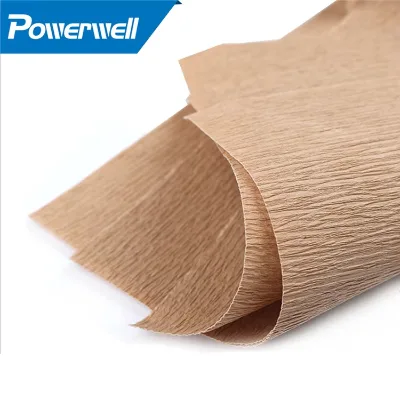


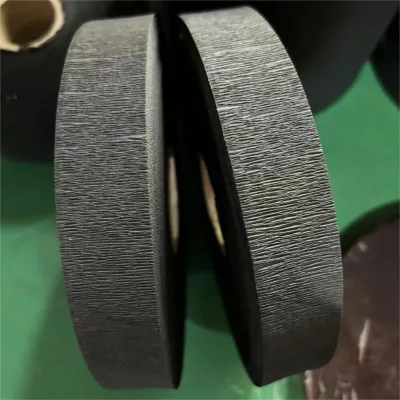
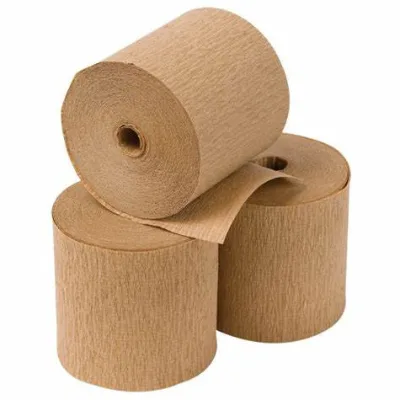


Comprehensive Sourcing Guide
Transformer Crepe Insulation Paper Sourcing Guide
Selecting the right insulation paper for transformer manufacturing requires a careful balance of thermal stability, dielectric strength, and mechanical durability. Buyers must navigate a market where materials range from organic kraft papers to hybrid inorganic-organic composites, each serving distinct voltage and temperature classes. The core keyword, transformer crepe insulation paper, points to a specific subset of these materials characterized by their textured surface and enhanced mechanical resilience. Understanding the nuances between standard kraft paper and crepe variants is essential for ensuring long-term reliability in high-stress electrical environments.
Procurement teams should focus on verifying the specific thermal rating and maximum voltage capabilities of the paper before committing to a supplier. The market offers products with thermal ratings such as Class A (105°C), Class B (130°C), Class F (155°C), and Class E (120°C), alongside varying voltage tolerances from below 10KV up to 100KV. These specifications directly impact the transformer’s lifespan and safety margin. By aligning the paper’s chemical composition and classification with the transformer’s operational demands, buyers can prevent premature failure and optimize the overall efficiency of the electrical equipment.
Product Scope and Observed Listing Signals
The current market landscape for transformer insulation materials includes a diverse array of products, with observed listings indicating a price range of $0.1 to $12.9 USD and minimum order quantities (MOQs) spanning from 1 to 1000 units. This wide variance suggests that buyers can find options suitable for both small-scale prototyping and large-volume industrial production. The presence of customization options across many listings indicates that suppliers are flexible regarding dimensions, thickness, and specific material blends, allowing for tailored solutions that meet precise engineering requirements without the need for standard off-the-shelf compromises.
Observed product attributes reveal a mix of organic and inorganic insulation chemistries, with classifications ranging from organic insulating materials to hybrid insulation materials. Colors vary from brown to yellow, reflecting different base materials such as kraft paper or specialized hybrid compositions. Some listings explicitly identify the product as "Crepe Paper," while others use broader terms like "Insulation Paper" or "Insulating Paper." This diversity requires buyers to scrutinize the specific material description and model numbers, such as KLY-ZWZG or KLY-ZWZ, to ensure they are evaluating the correct product type for their specific transformer design needs.
Technical Specifications to Verify
When evaluating technical specifications, buyers must prioritize the thermal rating and maximum voltage tolerance of the insulation paper. Products in the market exhibit thermal ratings from Class A (105°C) to Class E (120°C), with some hybrid options reaching Class F (155°C) or Class B (130°C). The maximum voltage ratings also vary significantly, ranging from less than 10KV to as high as 100KV. Verifying these parameters against the transformer’s operational profile is critical, as exceeding the paper’s dielectric strength can lead to catastrophic failure, while under-specifying can result in unnecessary cost and bulk.
Thickness and width are equally important physical attributes that influence the winding process and final assembly. Standard thicknesses observed in the market include ranges like 0.05-0.13mm and 0.08-0.35mm, with some suppliers offering customizable standards. Widths are typically available in standard sizes such as 1000mm or narrower strips like 20/25mm, often with customization options. Buyers should confirm that the paper’s mechanical properties, such as tensile strength and crepe ratio, align with the winding machinery’s capabilities to ensure smooth production and consistent quality in the final transformer assembly.
Compliance and Safety Documentation
Compliance with international standards is a non-negotiable aspect of sourcing transformer insulation materials. Buyers should request documentation that verifies adherence to relevant IEC standards, such as IEC 60641 for paper and board, IEC 60243 for dielectric breakdown, and IEC 60076 series for transformer performance. While specific test results may not be publicly listed, suppliers should be able to provide certificates of conformity or test reports from accredited laboratories. This documentation ensures that the insulation paper meets the rigorous safety and performance requirements mandated by regulatory bodies in different markets.
Quality management certifications, particularly ISO9001, are common among reputable suppliers and serve as a baseline indicator of consistent manufacturing processes. Some suppliers may also hold IEC certification, which further validates their capability to produce materials that meet international electrical standards. Buyers should verify the validity of these certifications and ensure that the supplier’s quality management system covers the entire production process, from raw material sourcing to final packaging. This due diligence helps mitigate the risk of receiving substandard materials that could compromise the transformer’s integrity and safety.
Cost Drivers and Commercial Terms
Several factors influence the final cost of transformer crepe insulation paper, including the material’s chemical composition, thermal rating, and thickness. Hybrid insulation materials, which combine organic and inorganic components, may command a premium due to their enhanced performance characteristics compared to standard organic kraft paper. Additionally, products with higher thermal ratings or voltage tolerances often involve more complex manufacturing processes, leading to higher prices. Buyers should analyze the total cost of ownership, considering not just the unit price but also the potential savings from improved efficiency and reduced maintenance costs.
Commercial terms such as MOQ, packaging, and lead times also play a significant role in procurement planning. Observed MOQs range from 1 to 1000 units, offering flexibility for different order sizes. Packaging methods vary from boxes and pallets to wooden cases, which can impact shipping costs and handling requirements. Buyers should negotiate clear terms regarding delivery schedules and payment conditions to avoid disruptions in their supply chain. Understanding these commercial variables allows for more accurate budgeting and better alignment with production schedules.
Supplier Qualification and Quality Control
Supplier qualification is a critical step in ensuring the reliability of insulation paper supplies. Buyers should assess the supplier’s production capabilities, including their facility location and manufacturing expertise. Many suppliers are located in regions like Henan, Tianjin, or other parts of China Mainland, which are known for their industrial output. Verifying the supplier’s history and reputation in the market can provide insights into their consistency and reliability. Additionally, buyers should inquire about the supplier’s quality control processes, including raw material inspection and final product testing.
Quality control measures should include regular audits of the supplier’s production line and random sampling of finished goods. Buyers should request samples for thorough testing before placing large orders to verify that the material meets all specified technical requirements. Establishing a clear communication channel with the supplier for addressing any quality issues is also essential. By maintaining a proactive approach to supplier management, buyers can ensure a steady supply of high-quality insulation paper that supports their manufacturing goals.
Long-Term Procurement Checks
Long-term procurement success depends on continuous monitoring of supplier performance and market trends. Buyers should establish key performance indicators (KPIs) to track metrics such as delivery accuracy, product quality, and responsiveness to issues. Regular reviews of these metrics help identify potential problems early and allow for corrective actions. Additionally, staying informed about advancements in insulation technology and material science can help buyers make informed decisions about upgrading their materials for better performance or cost efficiency.
Building a diversified supplier base can mitigate risks associated with single-source dependencies. Buyers should consider qualifying multiple suppliers for critical materials like transformer crepe insulation paper to ensure continuity of supply. This strategy also provides leverage in negotiations and allows for flexibility in responding to market fluctuations. By maintaining a strategic approach to procurement, buyers can secure a reliable supply of high-quality insulation materials that support the long-term success of their transformer manufacturing operations.
FAQs
What thermal classes are available for transformer crepe insulation paper?
Crepe insulation paper is commonly offered in thermal classes A 105, E 120, B 130, and F 155. The right class depends on the transformer's operating temperature and duty cycle. Always confirm the thermal rating with the supplier before ordering, since listings show different ratings and some products may support more than one class depending on the base material.
What thickness range does transformer crepe insulation paper come in?
Listed thickness standards include 0.05~0.13mm and 0.08-0.35mm, with some products described as customizable. Choose thickness based on winding stress and layering requirements in your transformer design. Thicker grades suit higher mechanical stress, while thinner grades wrap more easily around conductors and corners.
Can transformer crepe insulation paper be customized in width?
Yes, customization is available on many listings. One product lists width as 20/25mm or customized, and others state the standard is customizable. Typical uses include narrow tapes for wrapping conductors and wider rolls for layer insulation. Confirm minimum order quantity, lead time, and any price difference before placing a customized order.
What is the difference between kraft-based and other crepe insulation papers?
Many crepe papers are made from electrical-grade kraft paper, which is an organic insulating material, while some products use hybrid or inorganic chemistry. Kraft-based crepe paper offers good mechanical strength and oil compatibility for transformer use. Hybrid materials may combine properties for specific applications, so review the chemistry classification in each product listing.
Which applications use transformer crepe insulation paper besides transformers?
Beyond transformers, listings show applications including motors, generators, capacitors, inductors, and insulation sleeving. Crepe paper's stretchability makes it suitable for wrapping irregular shapes, joints, and lead connections. Match the maximum voltage rating of the specific product, which ranges from below 10KV up to 20KV~100KV, to your equipment's requirements.
How is transformer crepe insulation paper typically packed for shipping?
Common packing options in the listings include box and pallets, wooden case, pallet, and pallet or carton. Wooden cases and pallets protect rolls from moisture and deformation during transit. When requesting quotes, specify your preferred packing, since it can affect freight cost and is often tied to the order quantity and destination.
What certifications should I check when sourcing crepe insulation paper?
Listed certifications include ISO9001 and IEC compliance. ISO9001 indicates a quality management system at the manufacturer, while IEC alignment relates to electrical insulation testing practices. Ask suppliers for current certificates and batch documentation, and verify which specific IEC standards apply to the product grade you intend to purchase.
What voltage ratings are available for this insulation paper?
Products list maximum voltage ratings of below 10KV, 10KV~20KV, and 20KV~100KV. Select a rating that exceeds your equipment's operating voltage with appropriate margin. Higher-voltage grades are typically specified for power transformer windings, while lower ratings serve distribution transformers, motors, and general electrical insulation applications.